
MenuContact Us
Office design is the process of planning and organizing a workspace from architectural, ergonomic, and functional perspectives. This process is not limited to furniture layout; it also includes spatial organization, circulation areas, lighting design, acoustic planning, color palette selection, material choices, and the integration of technological infrastructure.
In modern office design, the main goal is to create a sustainable working environment that supports employees’ daily workflows, increases productivity, and also provides comfort.
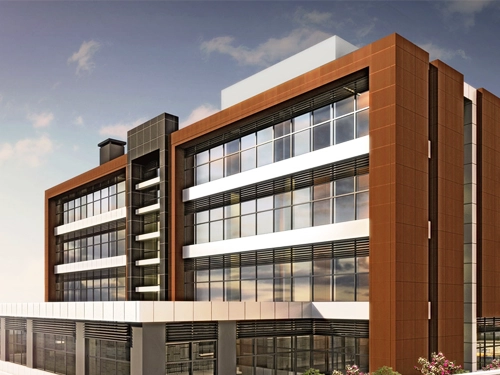
An effective office design creates a balanced structure between individual workspaces and shared areas that support teamwork. Different planning approaches such as open-plan offices, hybrid workspaces, or private office layouts are shaped according to the organization’s business model and needs.
In addition, a well-designed office enhances employee motivation, concentration levels, and collaboration culture, while also reflecting the company’s corporate identity and values in a spatial form. As a result, office design is not only an aesthetic arrangement but also a strategic process that directly impacts business performance and employee experience.
Office design is an important factor that directly affects employees’ motivation, productivity, and work efficiency. In today’s business world, not only aesthetics but also ergonomic and functional elements should be prioritized. In this article, we will examine in detail the key elements that should be considered when creating a modern and efficient office design.
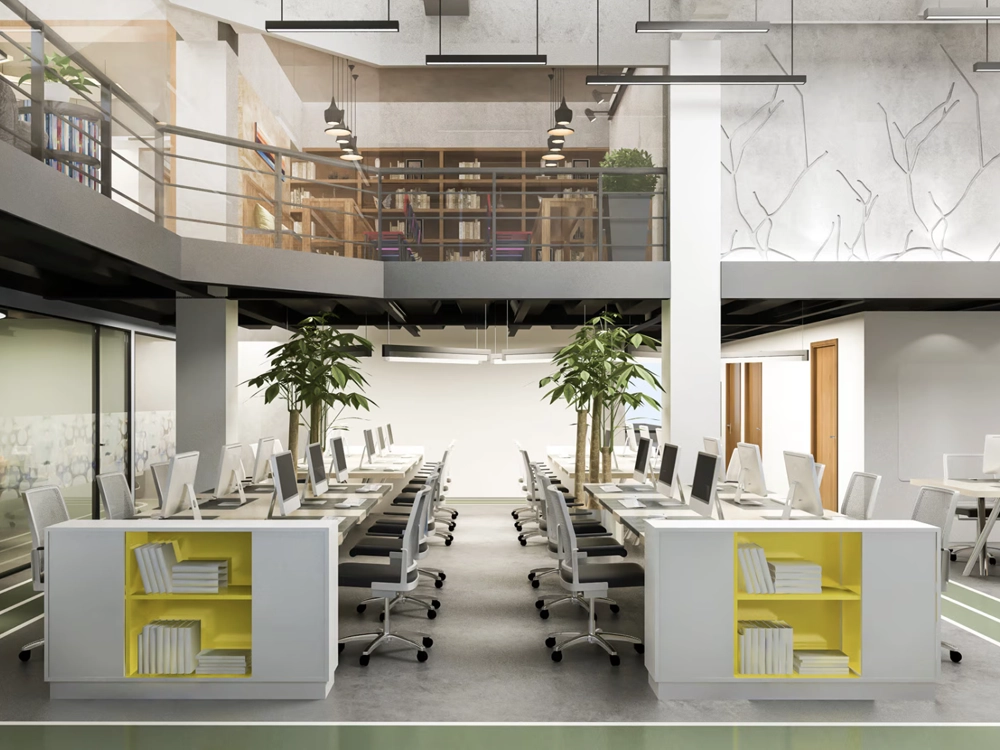
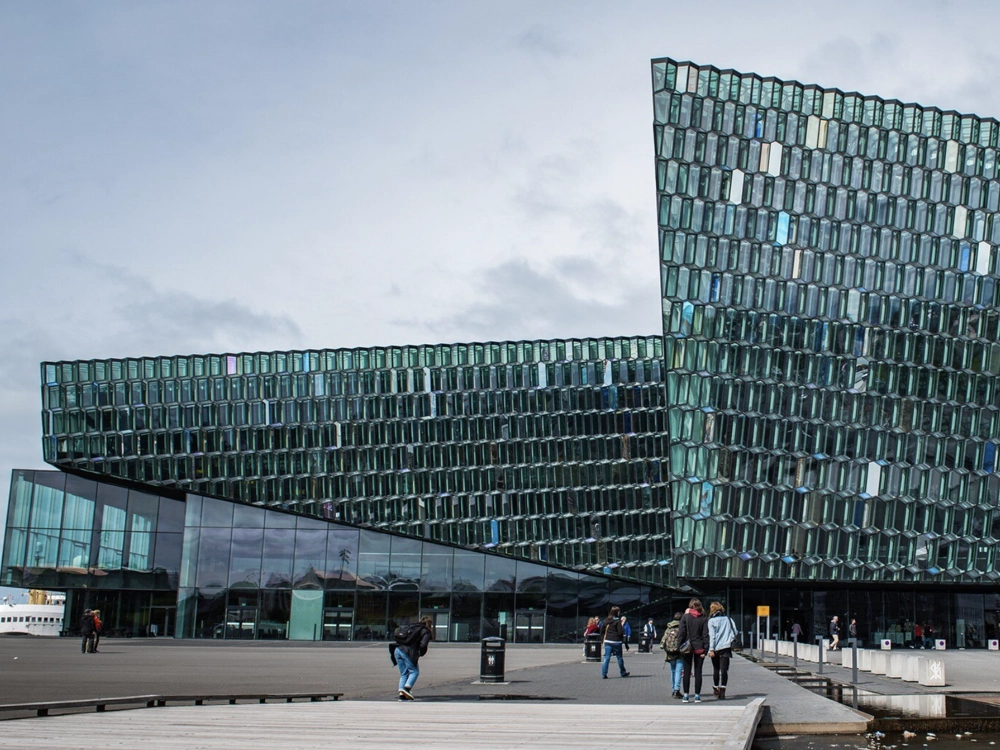
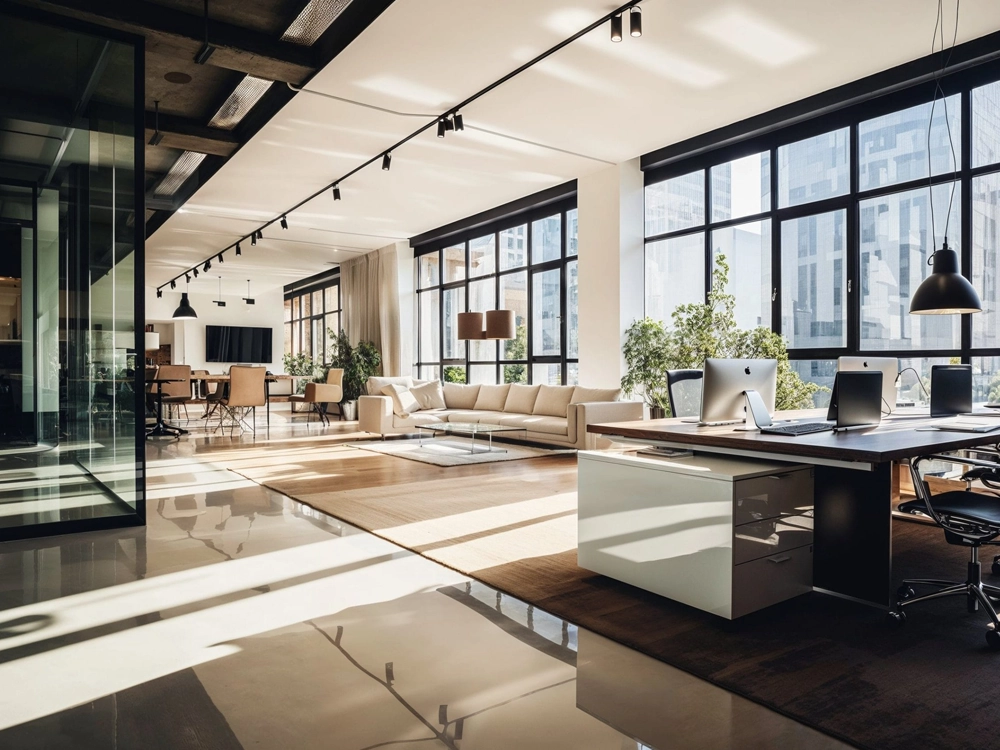
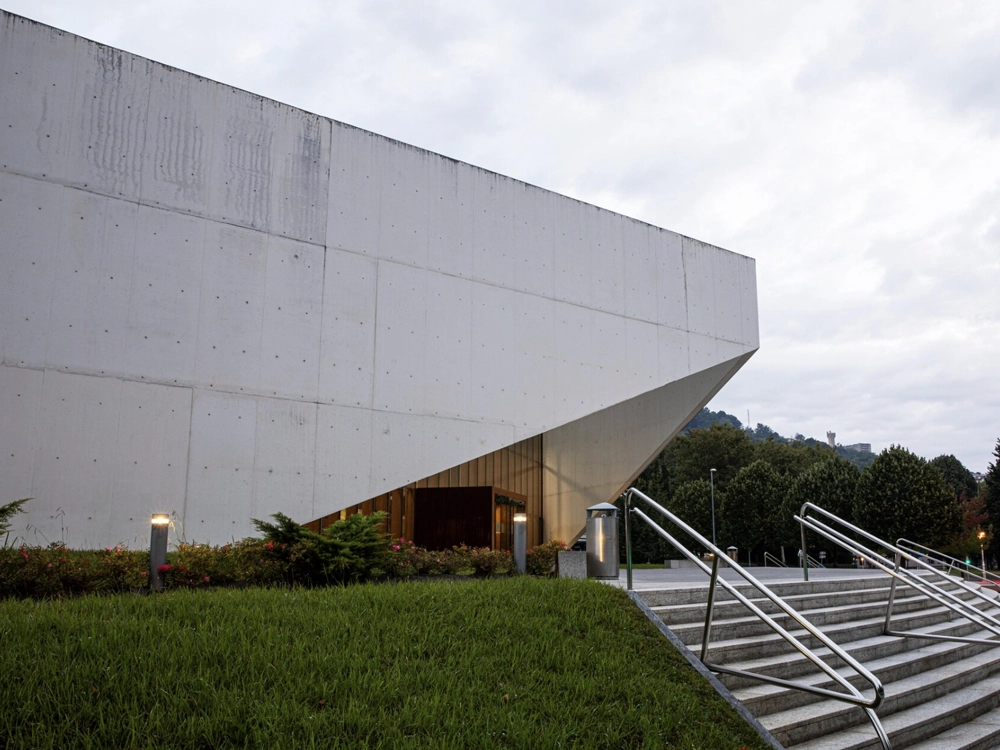
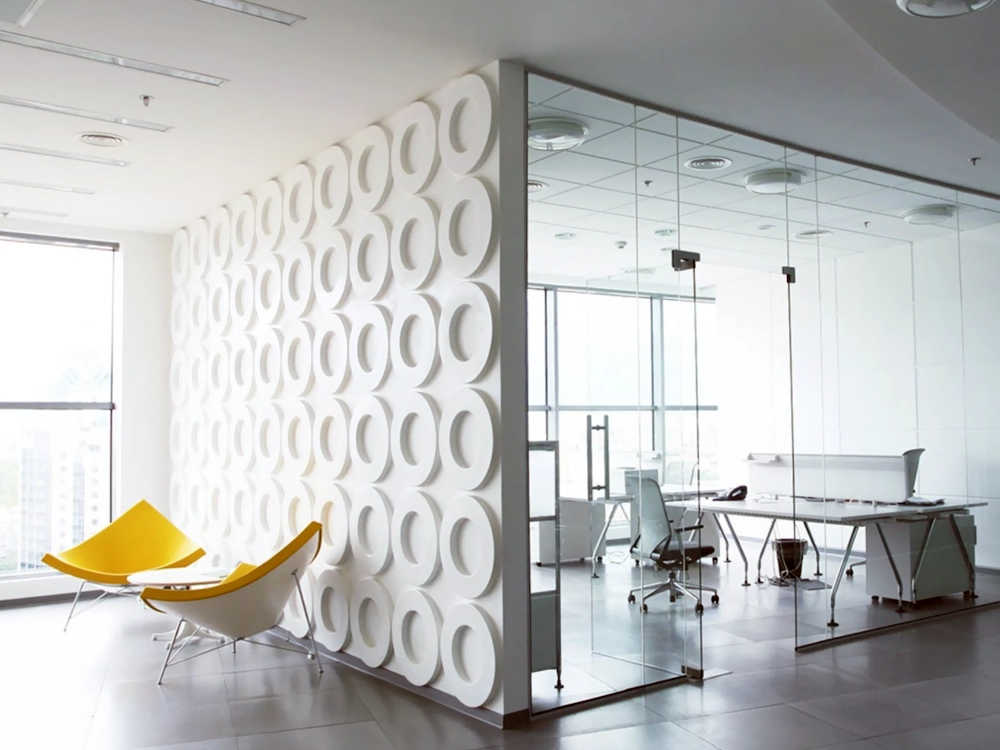
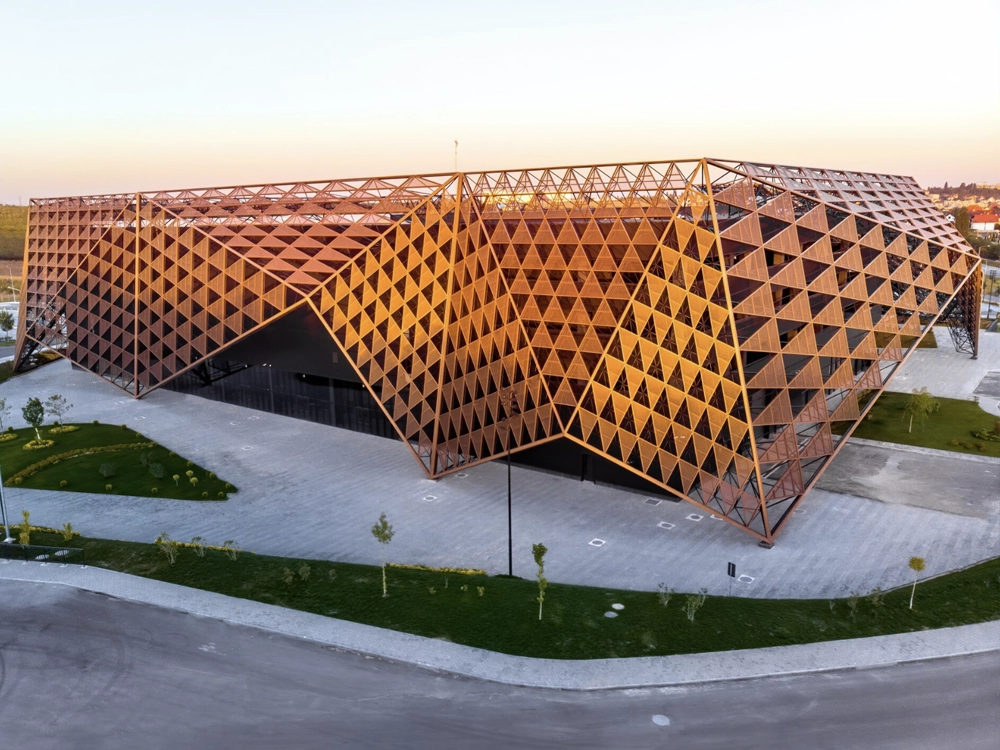
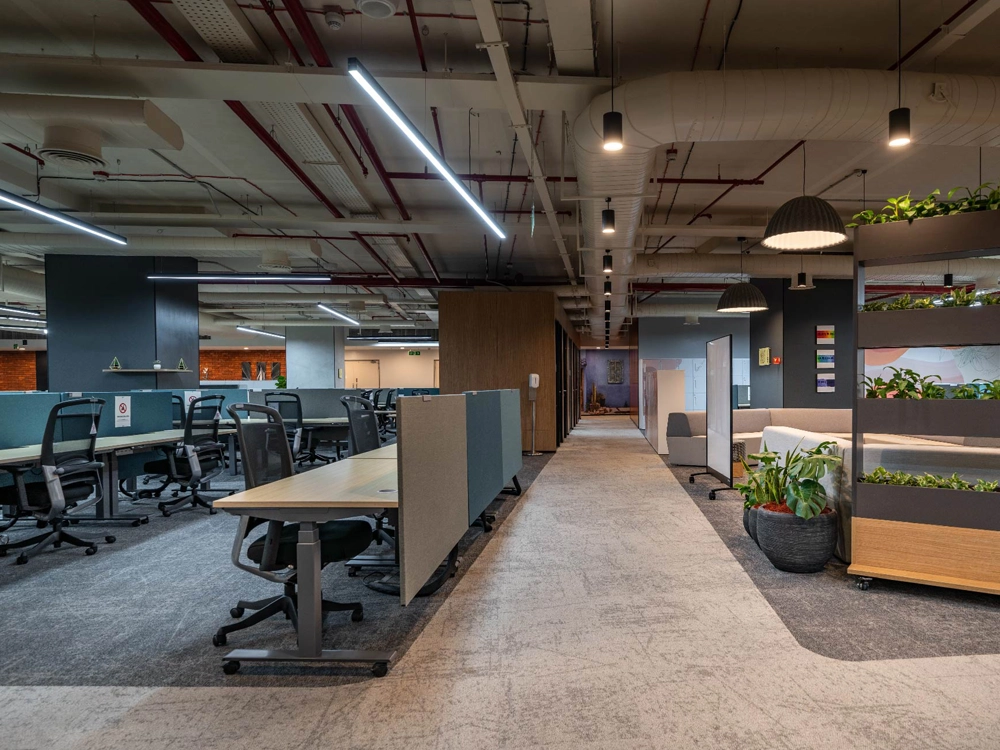
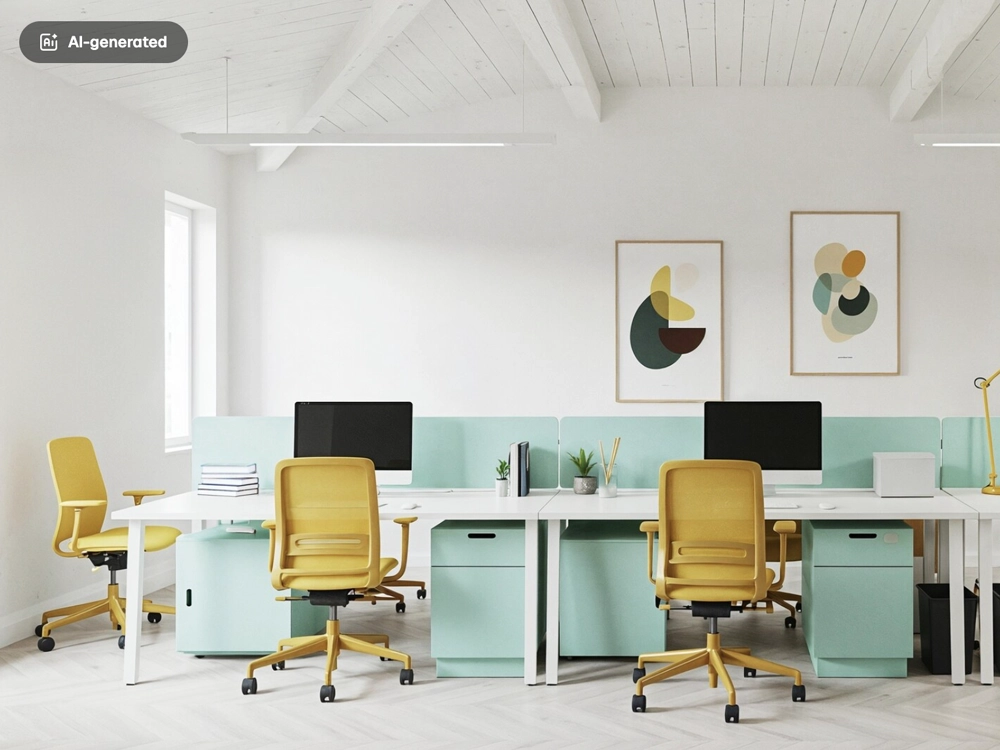
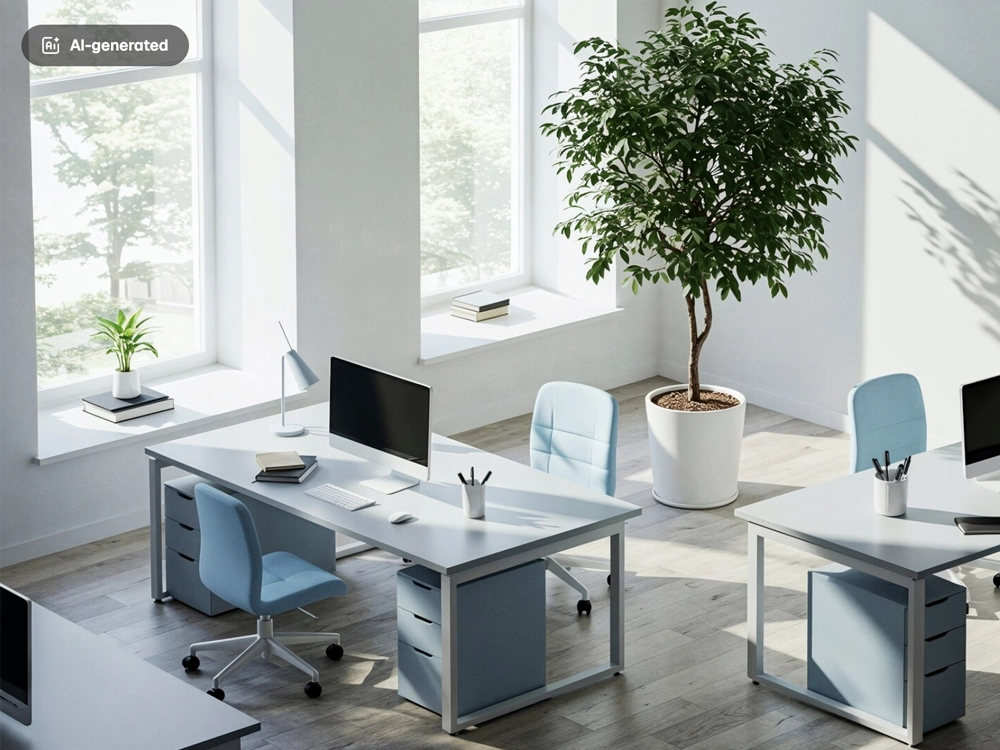
Ergonomics should be a priority so that office employees can work comfortably and healthily for long hours. Ergonomic furniture, desks and chairs at the correct height, and adjustable monitor stands are all of great importance.
Natural light positively affects employees’ mood and productivity. Large windows, light-colored walls, and transparent partitions should be used to maximize daylight usage.
Open-plan offices can cause noise problems. Acoustic comfort in the workplace can be improved by using sound-absorbing panels, carpets, and dedicated meeting rooms.
In office design, areas should be defined according to employees’ needs:
In modern offices, flexible workspaces have become more popular instead of fixed desk arrangements. Seating areas that allow employees to work anywhere they choose, shared desks, and quiet rooms all contribute to greater flexibility.
Colors directly affect employees’ mood and behavior.
Modern offices should be equipped with technological solutions:
An environmentally conscious office contributes both to nature and employee well-being:
The company’s identity should be reflected in office design:
Office design should provide a comfortable, aesthetic, and productivity-enhancing working environment for employees. When factors such as ergonomics, lighting, color selection, technology integration, and sustainability are balanced properly, both employee satisfaction and work efficiency significantly increase. A well-planned office is not just a workspace but also an inspiring environment.
Working with an architect in modern office design can provide many benefits:
Architects are trained to design functional, safe, and aesthetically pleasing spaces. Therefore, they offer creative solutions to design challenges and ensure that the office complies with all relevant building codes and regulations.
An architect works closely with you to understand your needs and preferences, transforming them into a unique and effective design solution tailored specifically to your requirements.
They also help you make the best use of space, ensuring that the area is used efficiently and effectively, while creating a flexible layout that can adapt to future needs.
Although hiring a professional architect may seem like an additional cost, their expertise can actually save you money in the long term. They help you make informed decisions about materials, finishes, and construction methods, allowing you to reduce costs without compromising quality. At the same time, they oversee the entire design and construction process, ensuring that your project stays on track and within budget, while also coordinating with other professionals such as engineers and contractors to ensure smooth project execution.
A well-designed office can improve employee morale, productivity, and well-being, ultimately increasing profitability. An architect can help you create a space that reflects your company’s values and culture, making a positive impression on both employees and clients.
Modern office design is not only an aesthetic arrangement; it is a strategic planning process that directly affects employee experience, productivity, and overall corporate performance.
In today’s working models, offices should be designed based on flexibility, technology integration, sustainability, and a human-centered approach. The goal is to create a holistic working environment that can adapt to changing work methods while also supporting the physical and mental needs of employees.
One of the most important features of modern offices is a flexible and adaptable spatial layout. Thanks to open-plan offices, modular furniture, movable partitions, and multi-purpose areas, workspaces can be easily rearranged according to needs. This approach creates a dynamic structure that supports both individual focus and team collaboration.
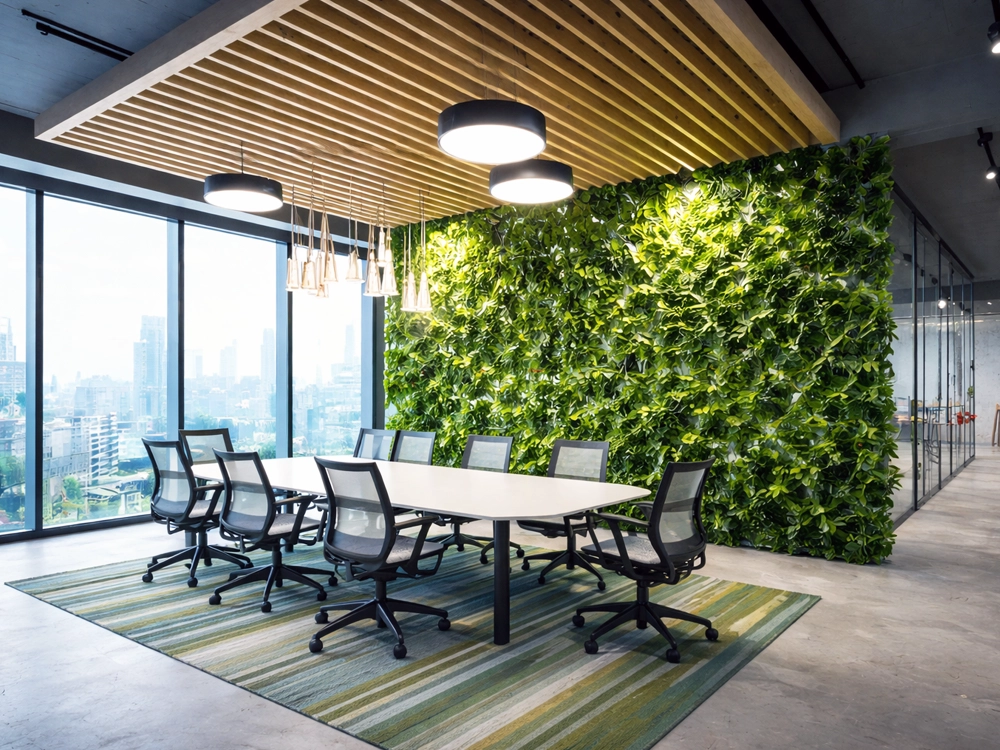
Lighting and spatial comfort are essential components of modern design. Maximizing the use of natural light supports employees’ biological rhythms, increasing motivation and productivity. In addition, the biophilic design approach—incorporating plants, natural materials, and nature-inspired elements—helps reduce stress levels and enhances overall well-being.
Sustainability is another essential element of modern office design. Energy-efficient lighting systems, low-carbon materials, recycling areas, and eco-friendly practices not only reduce environmental impact but also reflect corporate responsibility awareness.
Ergonomics plays a critical role in employee health. Ergonomic chairs, height-adjustable desks, and proper screen positioning should be used to reduce musculoskeletal problems caused by long hours of desk work. In addition, an inclusive design approach should be adopted in line with accessibility principles to support all employees.
Social spaces and relaxation areas are also important parts of modern offices. Pantry areas, lounge spaces, and relaxation corners help employees mentally recharge during the day and support work-life balance.
Finally, office design should be aligned with the company’s brand identity and corporate culture. This unity—created through colors, materials, and spatial language—strengthens employees’ sense of belonging and reflects corporate values within the physical environment.
From an architectural and design perspective, an office should not be limited to furniture placement; it should be a holistic system designed around user ergonomics, spatial flow, and functionality. Through proper zoning, individual work areas, meeting rooms, social spaces, and focus zones should be balanced. Natural light should be maximized, artificial lighting should be planned in layers, and surface materials that ensure acoustic comfort should be preferred. In addition, technical infrastructure (cable management, data systems, HVAC) is an invisible but critical component of the design.
An office design architect is a professional who designs a space not only aesthetically but also based on function, ergonomics, and user behavior. Starting from spatial analysis, they take a holistic approach to all design decisions, including space organization, circulation planning, furniture layout, and material selection. They also integrate the brand identity into the space and optimize design elements such as light, color, and texture to enhance user experience. During the implementation phase, they supervise the project to ensure the design is executed correctly.
From an architectural perspective, office types are classified according to spatial organization and usage scenarios. Open-plan offices support flexible and collaborative work culture, while private offices are suitable for tasks requiring privacy and concentration. Hybrid offices combine these two approaches, adapting to different working modes. In addition, coworking spaces serve dynamic user groups with modular and shared structures, while home offices and project-based offices offer more temporary and flexible spatial solutions.
In terms of design and usage, the term “bureau” generally refers to traditional, hierarchical, and formal work environments, whereas “office” describes modern, flexible, and user-centered working spaces. A bureau typically represents a fixed layout based on individual rooms, while office design reflects a more contemporary approach with open-plan, modular, and adaptable spatial configurations. Therefore, in today’s architecture, the concept of “office” refers to more experience-oriented and dynamic work environments.
Maviperi Architecture Office